
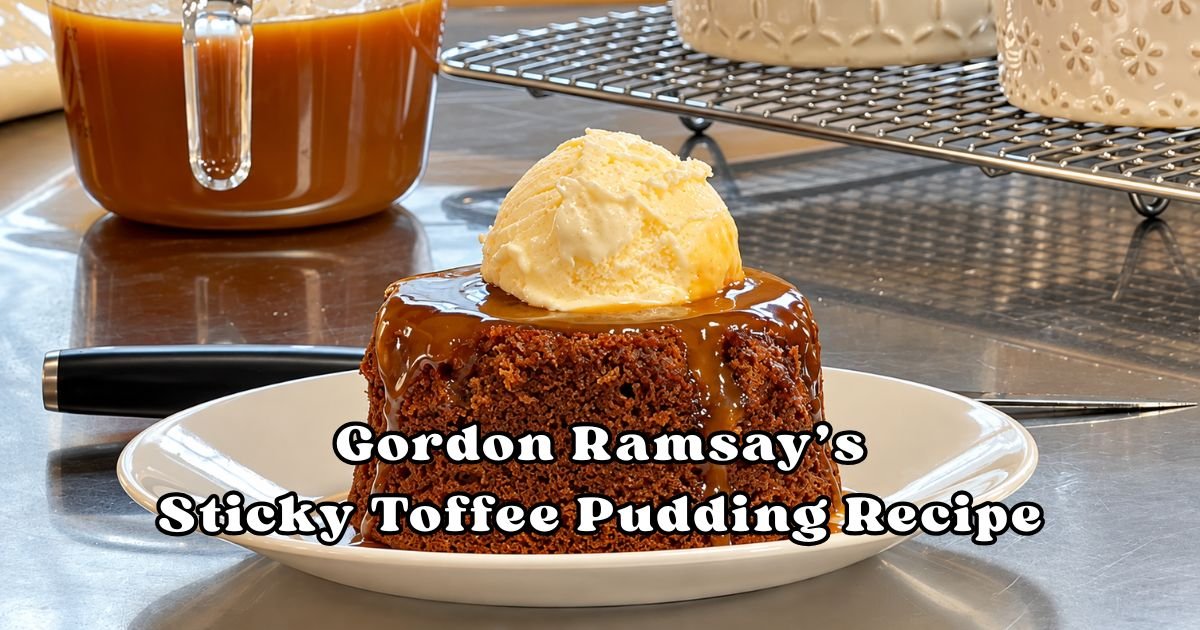
Gordon Ramsay’s Sticky Toffee Pudding Recipe

Gordon Ramsay is known for his accuracy, bold cooking, and attention to detail, but his sticky toffee pudding recipe takes a quick approach to a classic British dessert.
Instead of spending nearly an hour steaming a traditional date sponge, he uses a microwave to cook it in just 2½ to 3 minutes.
The secret starts with finely sliced dates softened with bicarbonate of soda, then mixed with butter, brown sugar, golden syrup, egg, and flour to create a soft sponge. He finishes it with homemade buttery toffee sauce and a spoonful of crème fraîche for a pleasant contrast.
Here, I’ll show you how to make Gordon Ramsay’s quick sticky toffee pudding Recipe at home, with simple steps for preparing the sponge and sauce.
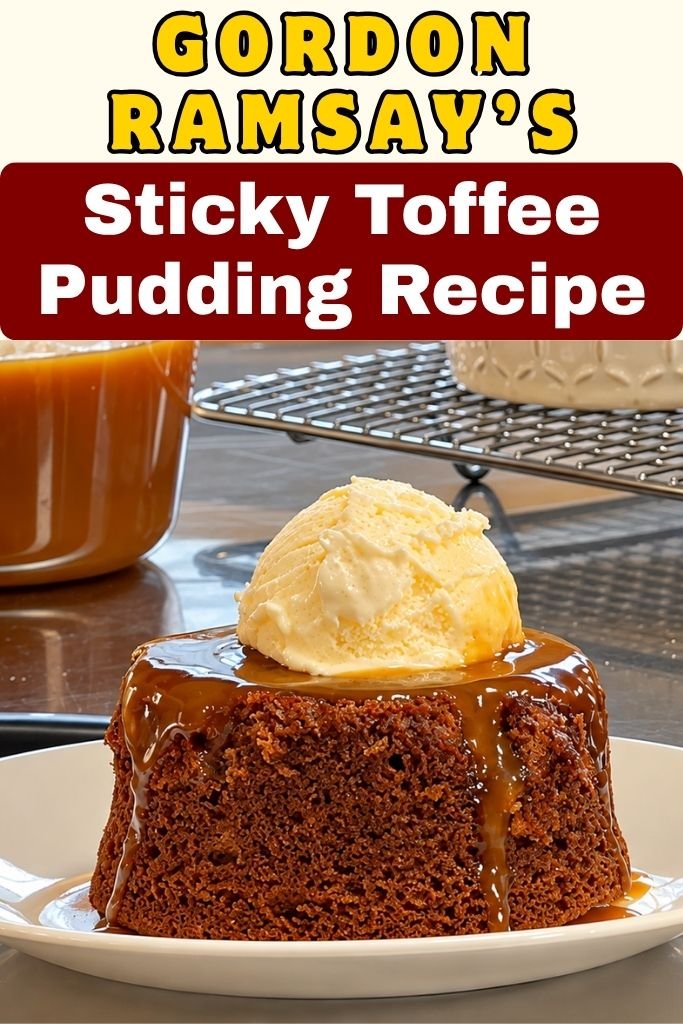
What Is Gordon Ramsay’s Sticky Toffee Pudding
Gordon Ramsay’s sticky toffee pudding is his quick take on a classic British dessert. It is a warm, soft sponge cake served with a smooth toffee sauce poured over the top. The cake has a moist texture and a soft center, while the sauce gives it a sweet, caramel-like finish.
Sticky toffee pudding is a popular British dessert often served warm after a meal. Traditional versions are usually steamed, which can take quite a long time.
Gordon Ramsay uses a microwave method to cut down the cooking time without losing the soft texture that makes this dessert so loved.
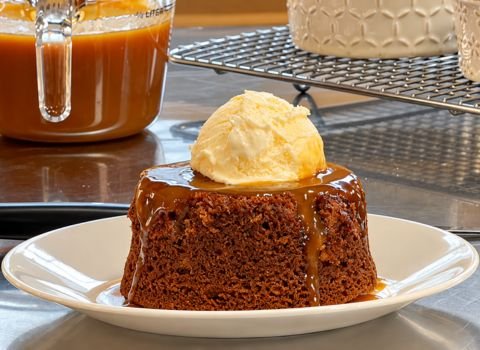
One thing I like about his version is the way he serves it. He turns the warm pudding out onto a plate, covers it with homemade toffee sauce, and adds a spoonful of crème fraîche on top.
How Is Gordon Ramsay’s Sticky Toffee Pudding Different from Traditional Recipes
I have tried different sticky toffee puddings, but Gordon Ramsay’s version is my favorite for its quick cooking method and smooth sauce. Traditional recipes often need a long steaming time, but his method uses a microwave to cook the sponge in minutes.
Here are the reasons I found his recipe different:
- Quick Microwave Cooking – Traditional sticky toffee pudding often cooks in a steamer for 45 to 50 minutes. Ramsay uses a microwave and cooks the batter in short 30-second rounds. This saves time and helps the sponge cook fast.
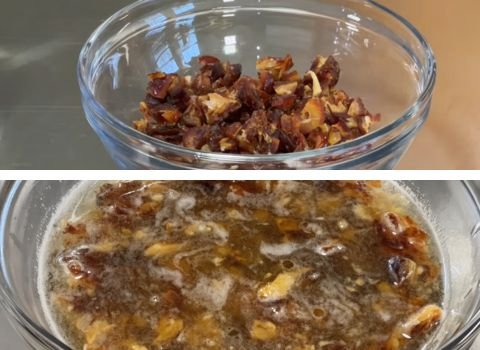
- Soft Date Puree – Many recipes add chopped dates straight into the batter. Ramsay first slices the dates, then mixes them with baking soda and a little water. A short microwave session helps soften them into a thick puree.
- Simple Cake Mixing – His cake batter starts with butter and brown sugar. He creams them by hand, then adds golden syrup, a beaten egg, and sifted flour. This gives the sponge a soft texture without a long mixing process.
- Homemade Butter Toffee Sauce – The sauce uses butter, brown sugar, golden syrup, and double cream. The butter and sugar melt together before the cream goes in. This creates a smooth sauce that coats the warm cake.
- Crème Fraîche on Top – Ramsay serves the pudding with crème fraîche instead of using only ice cream or custard. Its mild sour taste balances the sweet toffee sauce and makes each serving feel less filling.
Gordon Ramsay’s Sticky Toffee Pudding Ingredients
These ingredients follow Ramsay’s cooking method. Each item has a swap with the exact amount.
For the Date Sponge:
- Dates – 4 oz (about ¾ cup chopped) – Use soft, pitted dates for the best result. Slice them into thin pieces so they soften fast. Medjool dates work well. Regular soft dates are also a good choice. Avoid dates with hard pits or dry skins.
- Baking Soda – 1 teaspoon – Baking soda helps soften the dates and break them down. Mix it with the sliced dates and a little water before heating. Do not use baking powder as a direct substitute, as it will not work in the same way.
- Water – 2 tablespoons – A little water helps the baking soda soften the dates. It also helps form a thick date puree. Add only the stated amount at first. The dates should become soft and moist, not watery.
- Unsalted Butter – 2 oz (4 tablespoons) – Soft butter helps create a smooth cake batter. Unsalted butter gives better control over the salt level. Salted butter can also work, but leave out any extra salt in the recipe.
- Brown Sugar – ½ cup packed – Brown sugar adds sweetness and a mild caramel flavor to the sponge. Light or dark brown sugar can be used. Dark brown sugar gives a deeper molasses taste.
- Golden Syrup – 1 tablespoon – Golden syrup adds sweetness and helps keep the cake moist. It also gives the sponge a mild caramel flavor. Light corn syrup can replace it in the same amount, though the flavor will be slightly different.
- Egg – 1 large – A large egg helps hold the cake together and gives it a soft texture. Beat the egg before adding it to the butter mixture. A medium egg can work, but the sponge may be a little less moist.
- All-Purpose Flour – ¾ cup – All-purpose flour gives the sponge its shape. Sift it before adding it to the batter to remove lumps. Plain flour is the same type of flour. A gluten-free baking blend can be used, but the texture may change.
The Homemade Toffee Sauce:
- Unsalted Butter – 2 oz (4 tablespoons) – Butter forms the base of the sauce and gives it a smooth, creamy feel. Unsalted butter works best. Salted butter is also suitable, but taste the sauce before adding any salt.
- Brown Sugar – ½ cup packed – Brown sugar melts with the butter to form the caramel base. Dark brown sugar gives a deeper flavor, while light brown sugar creates a milder sauce.
- Golden Syrup – 1 tablespoon – Golden syrup adds a smooth texture and helps the sugar mixture stay syrupy. Light corn syrup is a useful substitute in the same amount.
- Double Cream – ½ cup – Double cream makes the sauce smooth and creamy. Heavy whipping cream is a good US substitute. Use full-fat cream for the best texture. Milk is not a good direct replacement because the sauce will be thinner.
For Serving:
- Crème Fraîche – ¼ cup – A spoonful of crème fraîche adds a cool, slightly sour taste. It balances the sweet sauce very well. Sour cream can work as a substitute, though it has a stronger tang.
Essential Kitchen Tools
- Microwave-safe bowl – For softening dates.
- Mixing bowl – For preparing the cake batter.
- Small saucepan – For cooking the toffee sauce.
- Wooden spoon – For creaming butter and sugar.
- Whisk – For mixing the egg and batter.
- Rubber spatula – For scraping the bowl.
- Fine-mesh sieve – For sifting flour.
- Small microwave-safe pudding mold – For cooking the sponge.
- Kitchen paper towel – For covering the mold during cooking.
- Small knife – For loosening the cake.
- Measuring cups and spoons – For accurate amounts.
How to Make Gordon Ramsay’s Sticky Toffee Pudding Step by Step
1. Prepare the Dates
Remove the pits from the dates and slice them into thin pieces. Place them in a microwave-safe bowl. Add 1 teaspoon of baking soda and 2 tablespoons of water.
Mix well so the baking soda coats the dates. Microwave on high for 30 seconds. Stir and check the dates. They should start to soften and break down.
2. Cream the Butter and Brown Sugar
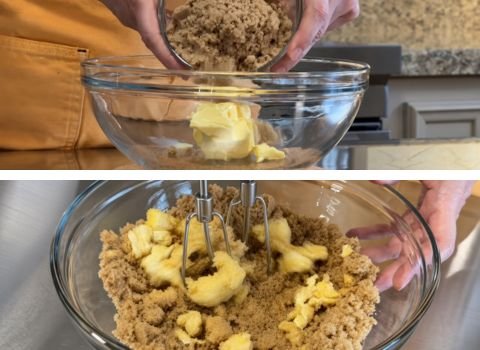
Place 2 oz of softened butter and ½ cup of brown sugar in a mixing bowl.
Use the back of a wooden spoon to cream them together. Press and mix until the butter and sugar form a thick, soft paste.
Add 1 tablespoon of golden syrup and mix again until combined.
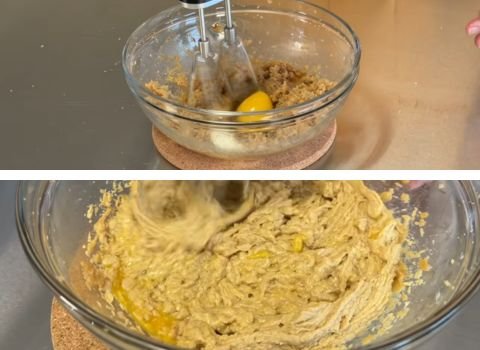
3. Add the Egg
Crack one large egg into a separate bowl and beat it lightly.
Add it to the butter mixture. Whisk until the batter looks smooth. Scrape the sides of the bowl with a spatula to bring all the ingredients together.
The mixture may look a little grainy. That is fine. A few extra turns with the whisk can help smooth it out.
4. Mix in the Soft Dates
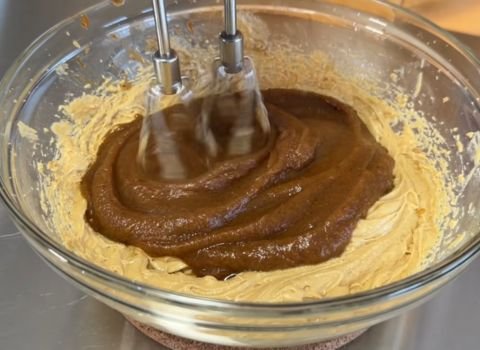
Take the softened dates out of the microwave. They should look moist and partly broken down.
Microwave them for another 30 seconds when needed to soften them further. Mash them with a fork until they form a thick, soft mixture.
Add the dates to the cake batter and stir well.
5. Add the Flour
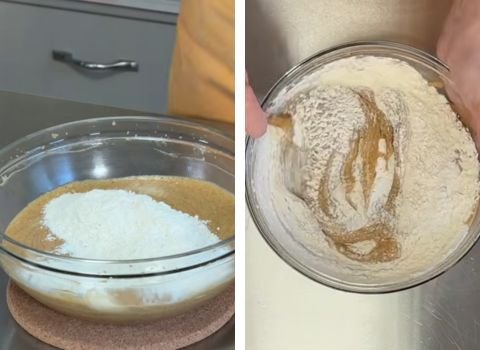
Sift ¾ cup of all-purpose flour into the bowl.
Use a spatula to fold the flour into the wet mixture. Keep mixing gently until no dry flour remains.
Do not beat the batter for too long. The mixture should be thick, soft, and evenly mixed, with small pieces of date throughout.
6. Prepare the Pudding Mold
Take a small microwave-safe pudding mold. Brush the inside with softened butter.
Add about ½ tablespoon of flour and turn the mold so the flour coats the buttered sides. Shake out any extra flour.
This simple step helps stop the pudding from sticking when you turn it out.
7. Fill the Mold
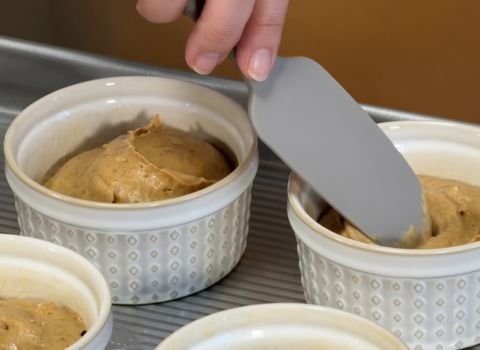
Spoon the cake batter into the prepared mold. Fill it about two-thirds full to leave room for the sponge to rise.
Tap the mold gently on the counter to settle the batter and remove large air pockets.
Place a sheet of kitchen paper over the top of the mold. This helps create steam during the early part of cooking. Keep the paper loose and away from any exposed microwave heating elements.
8. Cook the Sponge in the Microwave
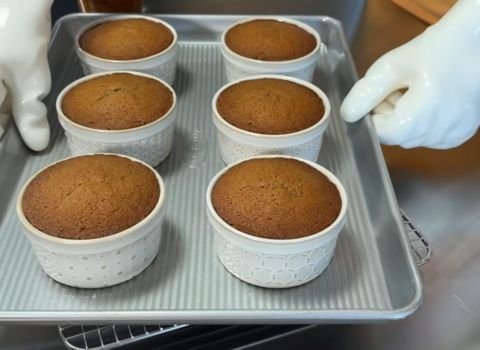
Place the mold in the microwave. Cook on high power in 30-second rounds, checking the sponge after each round.
Ramsay’s method uses short microwave bursts, with a total cooking time of about 2½ to 3 minutes. He removes the paper partway through cooking.
Microwave power and mold size can change the cooking time. Check the center with a clean toothpick. It should come out without wet batter. The cake should be set but still soft.
Let the pudding rest for a minute before removing it.
9. Start the Toffee Sauce
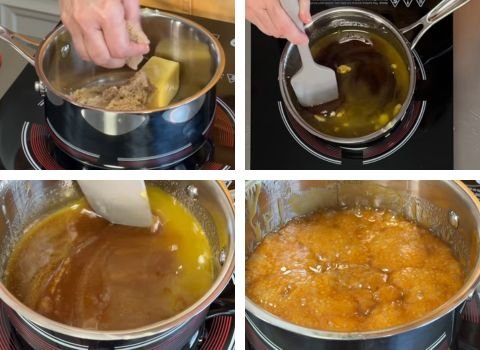
Place 2 oz of butter and ½ cup of brown sugar in a small saucepan.
Set the pan over medium-low heat. Stir gently as the butter melts and the sugar starts to dissolve.
Add 1 tablespoon of golden syrup. Keep stirring until the mixture looks smooth and syrupy.
Do not let the sugar burn. Lower the heat when the mixture starts bubbling too fast.
10. Add the Cream
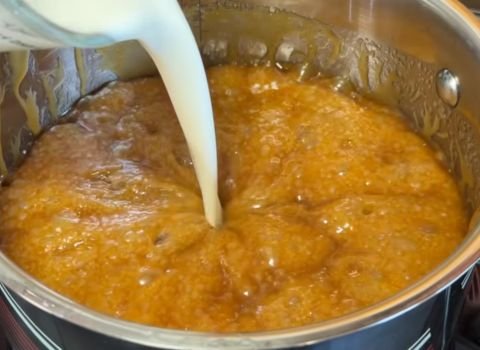
Slowly pour ½ cup of double cream into the saucepan while stirring.
The mixture may bubble as the cream goes in. Stir until the sauce becomes smooth and slightly thick.
Let it come to a gentle boil, then remove the pan from the heat. The sauce should coat the back of a spoon.
11. Turn Out the Pudding
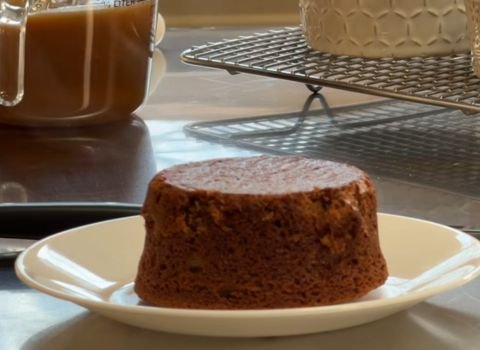
Use a small knife to loosen the edges of the pudding.
Place a serving plate over the mold. Hold both firmly and carefully turn them over. Lift the mold to release the cake.
The warm pudding should sit in the center of the plate.
12. Add the Sauce and Serve The Sticky Toffee Pudding
Pour the warm toffee sauce over the pudding. Let it run down the sides and collect around the base.
Add a spoonful of crème fraîche on top. Finish with a little extra sauce over the crème fraîche.
Serve at once while the sponge is warm and the sauce is soft.
Chef Notes & Tips
1. Use Soft Dates – Soft dates break down faster and mix well into the sponge. Dry dates can leave hard pieces in the cake, so choose moist ones for a smooth result.
2, Do Not Overfill the Mold – Keep the batter at about two-thirds of the mold’s height. The sponge needs space to rise during microwave cooking.
3. Let the Sponge Rest – Give the pudding about one minute to settle after cooking. This helps the sponge hold its shape when you turn it out.
4. Serve the Sauce Warm – Warm sauce pours more easily over the cake. When it cools, it gets thicker, so gently reheat it before serving.
5. Measure the Flour Carefully – Too much flour can make the sponge dry. Spoon the flour into the measuring cup and level it off rather than packing it down.
How to Plate Sticky Toffee Pudding for Dinner Parties and Christmas
For dinner parties and Christmas, I like to serve each pudding on a warm dessert plate. Set the sponge in the center and pour warm toffee sauce slowly over the top. Add a neat spoonful of crème fraîche beside the cake.
A few chopped dates or toasted pecans give a nice finish. Wipe any drips from the plate rim. Serve each plate right away so the cake stays warm and the sauce stays smooth.
My Favorite Toppings and Pairings for Sticky Toffee Pudding
Here are some easy toppings and serving ideas that pair well with the warm date sponge and homemade toffee sauce.
- Crème Fraîche: Use a spoonful on top. Its mild sour taste balances the sweet cake and buttery sauce.
- Chopped Pecans: Sprinkle toasted pecans over the sauce for a light crunch and a nutty taste.
- Chopped Walnuts: Add a few crushed walnuts for a simple topping that pairs well with dates and brown sugar.
- Extra Toffee Sauce: Keep some warm sauce in a small jug. Guests can pour more over their own servings.
- Fresh Berries: Serve a few raspberries or sliced strawberries on the side. Their mild tartness works well with the sweet pudding.
Common Problems and How to Fix Them
Dry Sponge: The pudding cooked too long. Microwave in 30-second rounds and stop once the top looks set. Extra warm sauce also rescues it.
Rubbery Texture: Too much mixing makes the sponge tough. Fold the flour gently until just combined, and keep the microwave time short.
Pudding Sticks to the Mold: Some spots missed the butter and flour. Coat every inch, then run a knife around the edge before flipping.
Sauce Too Thin: It needs more time. Simmer for 1 to 2 more minutes, stirring. It also thickens as it cools.
Grainy Sauce: The sugar did not melt first. Melt the butter and sugar fully before adding cream, and keep the heat at medium.
How to Store Gordon Ramsay’s Sticky Toffee Pudding
Room Temperature Storage: Cooked pudding can sit at room temperature for up to 2 hours. Cover it loosely with foil or a lid to keep it moist. Keep the sauce in a separate closed jar.
After 2 hours, move both to the fridge.
Refrigerator Storage: Place the pudding in an airtight container and chill it for up to 4 days. Store the sauce and crème fraîche in separate containers. Reheat the pudding for 20 to 30 seconds in the microwave, then add the warm sauce.
Freezing: Wrap the cooled pudding tightly in plastic wrap, then foil, and freeze it for up to 2 months. Freeze the sauce in a jar, leaving 1 inch of space. Thaw overnight in the fridge before reheating. Skip freezing crème fraîche.
Gordon Ramsay’s Sticky Toffee Pudding Recipe FAQs
1. Should sticky toffee pudding be served warm or cold?
Sticky toffee pudding tastes best when served warm. The sponge stays soft, and the warm toffee sauce spreads easily over the cake.
If you are serving leftovers, reheat an individual portion in the microwave for 20–30 seconds before adding the sauce.
2. Can I make sticky toffee pudding without crème fraîche?
Yes. You can serve the pudding with vanilla ice cream, whipped cream, or custard instead. These options give the dessert a different finish without changing the sponge or toffee sauce. Add your chosen topping just before serving.
3. What kind of dates work best for sticky toffee pudding?
Medjool dates are a good choice because they are naturally soft and easy to mash. Deglet Noor dates also work, but they may need a little extra soaking time or water to soften. Remove all pits before slicing and heating the dates.
4. How can I make sticky toffee pudding less sweet?
Reduce the brown sugar in the toffee sauce from ½ cup to ⅓ cup for a milder taste. You can also serve smaller portions with plain crème fraîche or unsweetened whipped cream. These changes help balance the dessert without altering the sponge preparation.
5. Can I make Gordon Ramsay’s sticky toffee pudding gluten-free?
Yes. Replace the ¾ cup of all-purpose flour with a gluten-free all-purpose baking blend that contains xanthan gum. Follow the blend’s instructions for replacing regular flour.
The sponge may have a slightly different texture, so check that it is fully set before removing it from the mold.
6. Can I add extra flavors to sticky toffee pudding?
Yes. Add ½ teaspoon of vanilla extract, ½ teaspoon of cinnamon, or 1 teaspoon of orange zest to the batter for extra flavor. You can also add 1 tablespoon of dark rum to the date mixture. Start with one addition at a time so the date and toffee flavors remain easy to taste.
Gordon Ramsay’s Sticky Toffee Pudding Recipe
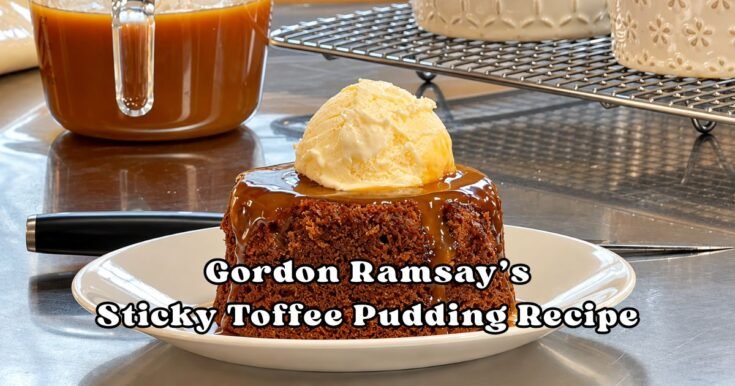
Make Gordon Ramsay’s Sticky Toffee Pudding Recipe with soft date sponge, homemade buttery toffee sauce, and a creamy crème fraîche topping.
Ingredients
For the Date Sponge
- Pitted dates – 4 oz (about ¾ cup chopped)
- Baking soda – 1 teaspoon
- Water – 2 tablespoons
- Unsalted butter – 2 oz (4 tablespoons)
- Brown sugar – ½ cup, packed
- Golden syrup – 1 tablespoon
- Large egg – 1
- All-purpose flour – ¾ cup
- Extra butter – ½ tablespoon (for greasing the mold)
- Extra all-purpose flour – ½ tablespoon (for dusting the mold)
For the Homemade Toffee Sauce
- Unsalted butter – 2 oz (4 tablespoons)
- Brown sugar – ½ cup, packed
- Golden syrup – 1 tablespoon
- Double cream or heavy whipping cream – ½ cup
For Serving
- Crème fraîche – ¼ cup
Instructions
- Prepare the Dates - Remove the pits from the dates and slice them thinly. Place them in a microwave-safe bowl with 1 teaspoon of baking soda and 2 tablespoons of water. Mix and microwave on high for 30 seconds until softened.
- Cream the Butter and Brown Sugar - Add 2 oz of softened butter and ½ cup of brown sugar to a mixing bowl. Press and mix with a wooden spoon until they form a soft paste. Stir in 1 tablespoon of golden syrup.
- Add the Egg - Lightly beat 1 large egg in a separate bowl. Add it to the butter mixture and whisk until combined. Scrape the sides of the bowl to mix everything evenly. A slightly grainy texture is fine.
- Mix in the Soft Dates - Check that the dates are soft. Microwave for another 30 seconds if needed, then mash them with a fork. Add the mashed dates to the cake batter and stir well.
- Add the Flour - Sift ¾ cup of all-purpose flour into the bowl. Gently fold with a spatula until no dry flour remains. Avoid overmixing; the batter should be thick and soft.
- Prepare the Pudding Mold - Brush a small microwave-safe pudding mold with softened butter. Add ½ tablespoon of flour and turn the mold to coat the inside. Shake out any excess flour.
- Fill the Mold - Spoon the batter into the prepared mold, filling it about two-thirds full. Tap gently on the counter to settle the batter. Cover loosely with kitchen paper.
- Cook the Sponge in the Microwave - Microwave on high in 30-second bursts, checking as you go. The total cooking time should be about 2½–3 minutes. Remove the kitchen paper partway through cooking. Check the center with a toothpick; it should come out without wet batter. Let the pudding rest for 1 minute.
- Start the Toffee Sauce - Add 2 oz of butter and ½ cup of brown sugar to a small saucepan. Heat over medium-low heat, stirring until the butter melts and the sugar begins to dissolve. Add 1 tablespoon of golden syrup and stir until smooth.
- Add the Cream - Slowly pour ½ cup of double cream into the saucepan while stirring. Let the sauce reach a gentle boil, then remove it from the heat. It should look smooth and coat the back of a spoon.
- Turn Out the Pudding - Run a small knife around the edges of the pudding. Place a serving plate over the mold and carefully turn them upside down. Lift the mold to release the sponge.
- Add the Sauce and Serve the Sticky Toffee Pudding - Pour the warm toffee sauce over the pudding, letting it run down the sides. Add a spoonful of crème fraîche on top and finish with extra sauce. Serve immediately while the sponge is warm and soft.
Nutrition Information:
Serving Size: nutrition per servingAmount Per Serving: Calories: 690Total Fat: 36gSaturated Fat: 22gTrans Fat: 1gCholesterol: 125mgSodium: 390mgCarbohydrates: 88gFiber: 3gSugar: 67gProtein: 8g
Gordon Ramsay’s Sticky Toffee Pudding Recipe is a great choice because it is quick, simple, and full of warm flavor. Use soft dates, real butter, and good brown sugar for the best taste.
Try a splash of rum or a pinch of cinnamon, then tell me how yours turned out.