
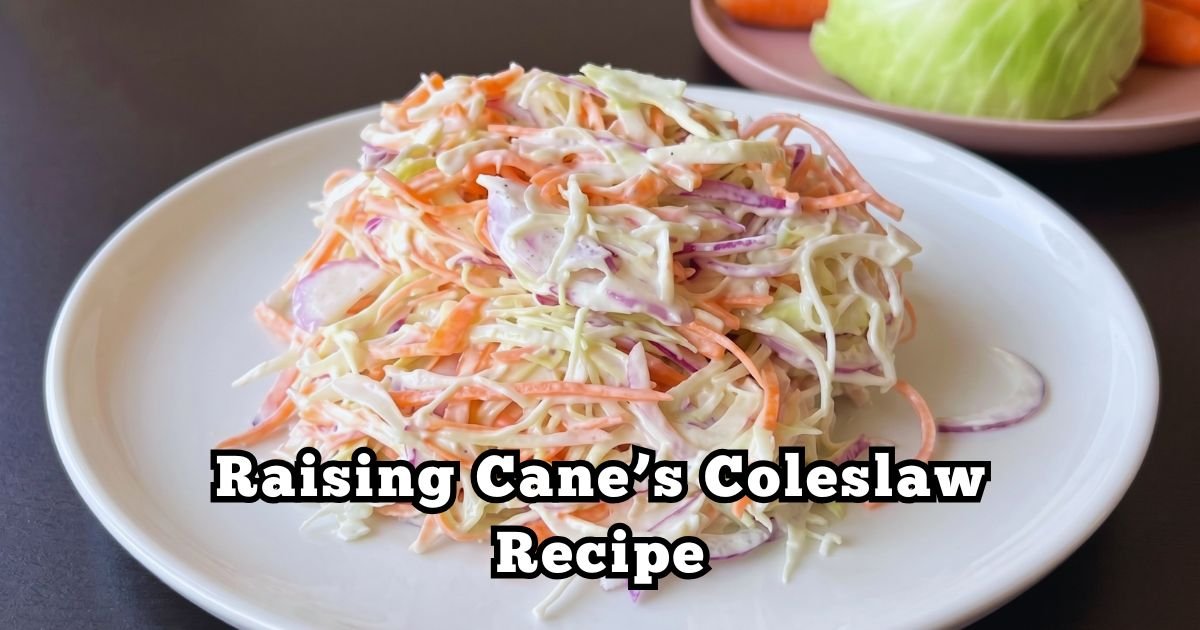
Raising Cane’s Coleslaw Recipe

Raising Cane’s coleslaw is known for its light, creamy taste and finely chopped cabbage. It looks simple, but it is made with care. The cabbage is cut very thin, and the dressing is mixed just right to keep it smooth and balanced.
I once tried to copy it at home using basic coleslaw, but it didn’t turn out the same. The cabbage pieces were too big, the dressing felt too heavy, and the flavor wasn’t quite right.
That’s when I realized this coleslaw is more than just a side dish. It uses the right mix of ingredients, proper chilling, and careful cutting to stay fresh and smooth every time.
What makes it better than regular slaw is the clean flavor. It is creamy, but not too thick. It is slightly sweet, but not overpowering. It has a gentle crunch instead of a hard bite.
Many people try to copy it but struggle to get the same texture and balance. I now have the perfect copycat that looks and tastes just like Raising Cane’s coleslaw.
Today I’ll show you how to recreate copycat Raising Cane’s Coleslaw recipe at home with the same smooth texture, fresh flavor, and clean finish.
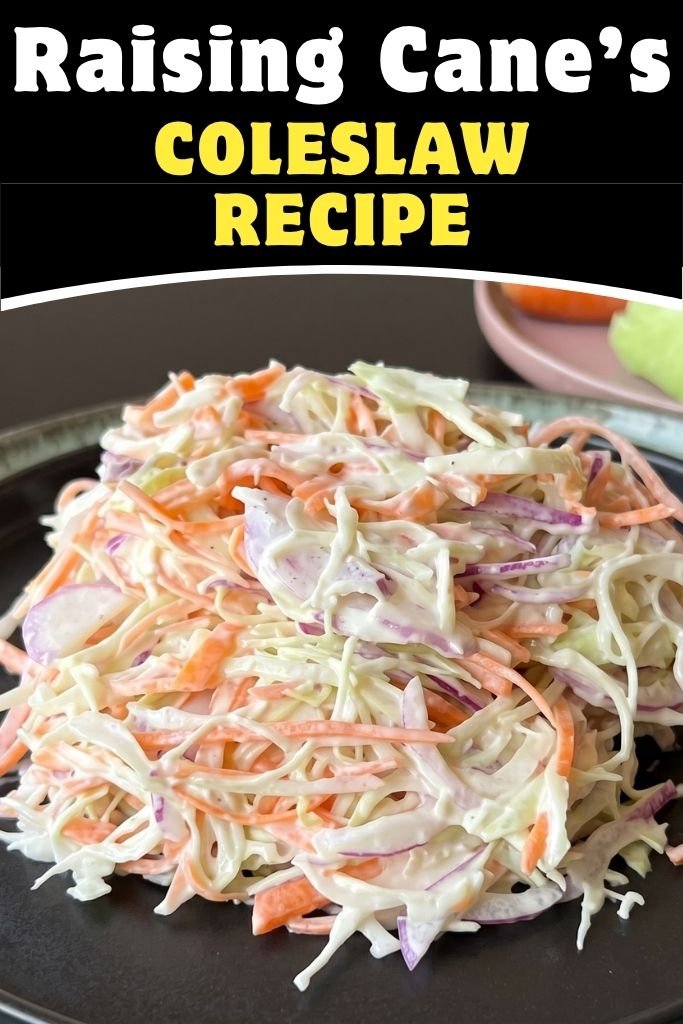
Best Cabbage for Cane’s Coleslaw
Fresh green cabbage is the best choice for this recipe. It has the right crunch, a mild taste, and holds dressing well. When you shred it thin, you get the soft bite that Cane’s-style slaw needs.
Red cabbage is firmer and has a stronger taste. It can also turn the mix purple, which changes the classic look. Napa cabbage is softer and more watery, so it can lose its crunch quickly.
Pre-shredded cabbage may save time, but it is often dry, cut too thick, and less fresh. This can affect both taste and texture. Fresh cabbage gives you better results.
Dry cabbage makes better slaw. It holds dressing better and stays creamy instead of watery. After shredding, pat it dry with paper towels.
How to Cut Cabbage for Cane’s Coleslaw
For the closest Cane’s texture, I use an ultra-fine, thin shred. Small pieces blend better with the dressing, so every bite tastes even and smooth. Thick strips stay crunchy, but they do not feel like the original style.
A sharp knife works well when you want control, but it takes more time. A mandoline is my favourite because it gives thin, even slices fast. A food processor is quick too, though pieces can be uneven.
Avoid rough chopping. Large chunks feel heavy and do not coat well. Uneven slices create mixed texture in each bite. Keep the shreds small, light, and neat for the best result.
Why Ingredient Ratios Important More Than Ingredients
The same ingredients can taste very different when ratios change. Food places use exact dressing ratios so each batch stays smooth, balanced, creamy, and fresh every time.
- Dressing-to-Cabbage Ratio – The right amount coats everything without drowning the vegetables. Use roughly 1 ¼ cup dressing to 1 medium head of cabbage for that Cane’s style.
- Overcoating vs Undercoating Effect – Too much dressing makes coleslaw heavy and soggy. Too little leaves it dry and flavorless.
Why Ingredient Ratios Important More Than Ingredients
The same ingredients can taste very different when ratios change. Food places use exact dressing ratios so each batch stays smooth, balanced, creamy, and fresh every time.
- Dressing-to-Cabbage Ratio Control: Too much dressing hides the cabbage flavor. Too little leaves the mix dry and plain. Use enough to coat every shred lightly, so each bite stays creamy but still crisp and fresh.
- Overcoating vs Undercoating Effect: Heavy coating creates a thick, wet bowl. Light coating can feel rough and bland. The goal is a soft shine on the cabbage, not a pool of dressing underneath.
Mixing Technique
Add the dressing after your cabbage is fully shredded and completely dry. Cold dressing and cold vegetables improve texture stability, keeping your coleslaw crisp longer. Use gentle folding when mixing, never heavy stirring.
You want to coat every piece evenly without crushing the delicate cabbage shreds. Mix just until everything is evenly coated – overmixing causes watery coleslaw as the vegetables release their juices.
Your final coleslaw should have a light coating, never soggy or dripping. If you accidentally added too much dressing, adjust by adding small increments of fresh shredded cabbage to balance it out.
Raising Cane’s Coleslaw Ingredients
Vegetables:
- 1 medium green cabbage, shredded (about 4 cups) – Green cabbage is the foundation. Red cabbage works as a substitute but changes the color and adds earthier taste. Napa cabbage is lighter but less crispy.
- 1 medium carrot, shredded (about ½ cup) – Carrots add sweetness and color. They complement the cabbage perfectly. Substitute with daikon radish for similar crunch, or skip entirely if you prefer, though the carrot adds important sweetness that balances tartness.
- 1 medium red onion, thinly sliced (about ½ cup) – Red onion brings sharp, tangy flavor. Thin slicing is important so pieces stay delicate. Yellow onion works but tastes milder. White onion is sharper and works if you prefer stronger onion flavor.
Dressing:
- 1 ¼ cup mayonnaise – Mayo creates the creamy base. Use quality mayo for smoother results. Vegan mayo substitutes work for plant-based versions, though texture becomes slightly less rich.
- 3 tablespoons evaporated milk – This ingredient is Cane’s secret. Evaporated milk adds subtle sweetness and smooth texture that regular milk cannot match. Heavy cream works as a substitute but tastes richer.
- 2 tablespoons lemon juice (fresh works best) – Lemon juice adds brightness and tang. Fresh lemon is superior to bottled. Lime juice works as a substitute for different flavor. White vinegar adds more tang but changes the taste profile noticeably.
- 2–3 teaspoons sugar – Sugar balances the tartness from lemon juice. Start with 2 teaspoons and adjust to your taste preference. Honey works as a substitute but adds different flavor notes. Agave nectar works similarly to sugar.
- Salt and pepper to taste – These seasonings finish the dish properly. Use fresh ground black pepper for better flavor. Sea salt dissolves more evenly than table salt.
Kitchen Tools Needed For the Recipe
- Mandoline or sharp knife – Creates ultra-fine cabbage shreds
- Grater – For shredding carrot into thin pieces
- Large mixing bowl – Holds vegetables during mixing
- Medium bowl – For combining dressing ingredients
- Measuring cups and spoons – Ensures proper ingredient ratios
- Cutting board – Safe surface for slicing vegetables
- Whisk or fork – Mixes dressing thoroughly
- Rubber spatula – Gently folds vegetables without crushing
How to Make Raising Cane’s Coleslaw at Home
Step 1 | Prepare and shred the cabbage
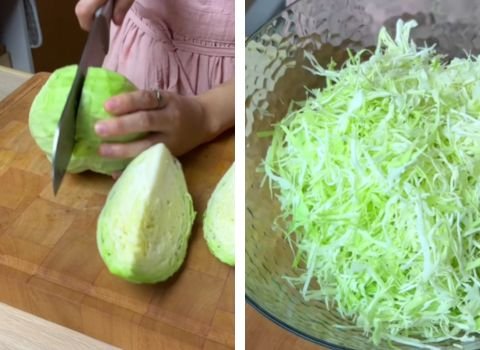
Remove any damaged outer leaves from a medium green cabbage and rinse it well. Dry completely. Cut the cabbage in half and remove the core.
Slice into wedges and run through a mandoline (or finely slice with a knife) to get thin, even shreds. Place in a large mixing bowl.
Step 2 | Shred the carrot
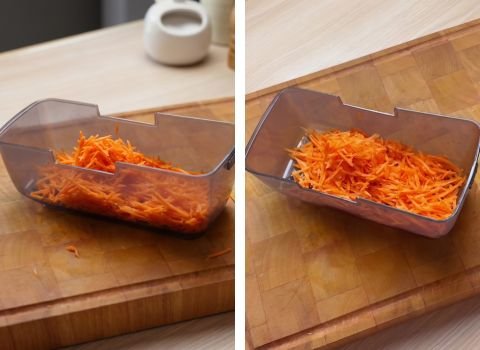
Wash and peel (optional) a medium carrot. Shred it using a grater or mandoline so the pieces match the cabbage in size. Add to the bowl with the cabbage.
Step 3 | Slice the red onion
Peel a medium red onion and cut it in half. Place flat-side down and slice it very thinly. Add the slices to the cabbage and carrot mixture.
Step 4 | Make the dressing
In a separate bowl, whisk together 1 ¼ cup mayonnaise, 3 tablespoons evaporated milk, and 2 tablespoons lemon juice until smooth and creamy.
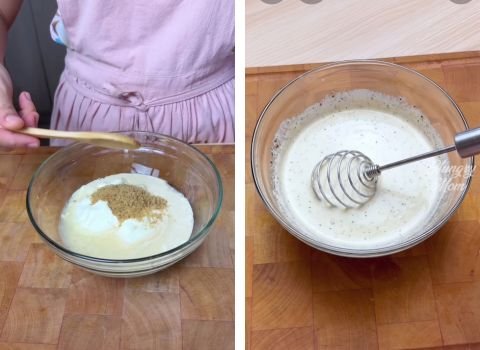
Step 5 | Season the dressing
Add 2–3 teaspoons sugar, a pinch of salt, and a little black pepper. Whisk well and taste. Adjust sweetness or seasoning until balanced.

Step 6 | Combine everything
Pour the dressing over the vegetables. Gently fold everything together until all the cabbage, carrot, and onion are evenly coated. Don’t stir aggressively to avoid breaking the texture.
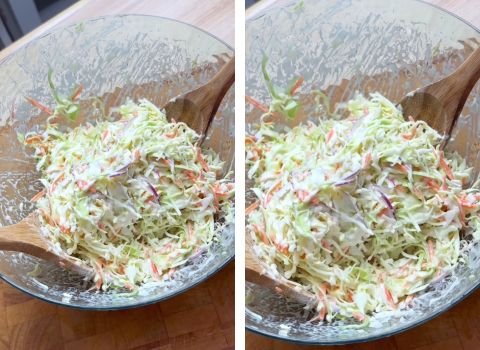
Step 7 | Chill and serve
Transfer to a container or bowl and refrigerate for at least 30 minutes. Stir lightly before serving if needed. Serve cold.
Copycat Success Tips
- Keep Everything Cold : Warm ingredients cause the dressing to separate and the cabbage to wilt faster. Work with cold ingredients straight from your refrigerator.
- Don’t Skip the Drying Step : Pat vegetables completely dry before mixing. Wet cabbage makes watery coleslaw that separates after a few hours.
- Taste as You Season : Sugar and salt amounts depend on personal preference. Add small amounts and taste frequently until the balance feels right.
- Fold, Don’t Stir : Gentle folding keeps cabbage intact. Stirring crushes pieces and releases moisture, creating soggy coleslaw within hours.
What to Serve with Raising Cane’s Coleslaw
This coleslaw pairs best with simple, flavorful foods. The light, creamy side dish complements bold flavors without competing. When you keep the main dish simple, the coleslaw’s great flavor comes through.
Here are some of my favorite serving ideas:
- Fried Chicken – Crispy fried chicken and creamy coleslaw are a classic pairing. The cool, tangy coleslaw balances the warm, savory chicken perfectly every time.
- Pulled Pork Sandwiches – Heaped coleslaw on pulled pork sandwiches adds crunch and freshness. The creamy dressing cuts through the richness of the meat nicely.
- Fish Tacos – Light, flaky fish pairs well with coleslaw’s bright flavor and crunchy texture. It adds freshness and balance to fish tacos.
- Burgers – Top your favorite burger with coleslaw for extra crunch and cool creaminess. It helps keep the burger from feeling too heavy.
- Grilled Vegetables – Serve with grilled corn, zucchini, or peppers for a simple vegetarian meal. The coleslaw adds creaminess to balance the smoky flavor.
- BBQ Brisket – Slow-cooked brisket goes really well with cold, creamy coleslaw. The fresh, tangy flavor balances the rich meat.
Best Storage Method to Preserve Crunch
After mixing, refrigerate the coleslaw within 30 minutes to keep it fresh and safe. Mayo-based coleslaw should not stay at room temperature for too long because it begins to soften quickly and lose its crisp texture.
Store your coleslaw in an airtight container on the refrigerator shelf for up to 2 days. Keep it cold at forty degrees Fahrenheit or below. The coleslaw will stay crispy and fresh for the first two days. After that, it starts releasing water and becomes softer.
Do not freeze this coleslaw. Mayo and cabbage both break down in the freezer. The texture becomes mushy and watery when thawed. Make fresh instead.
Raising Cane’s Coleslaw Recipe FAQs
1. Why does Cane’s coleslaw taste better after chilling?
Chilling gives the dressing time to coat each cabbage shred fully. The sugar dissolves better, onion sharpness softens, and the flavors blend into one smooth taste.
Cold temperature also keeps the texture crisp. Freshly mixed slaw can taste separate, but chilled slaw tastes balanced and cleaner after resting for at least one hour.
2. What onion works best?
Red onion gives the closest look and mild sharp flavor. Sweet onion is softer and less bold. White onion is stronger and should be used lightly. Thin slices matter most, because thick onion pieces can overpower each bite.
3. Can I add other vegetables to this coleslaw?
You can, but it will not taste like Cane’s anymore. Some people add shredded broccoli, bell peppers, or jalapeños for extra crunch or heat.
If you want to experiment, start with small amounts. Two tablespoons of finely chopped jalapeño adds spice without ruining the creamy balance. Just know that the classic recipe uses only cabbage, carrot, and onion for a reason.
4. Why does my dressing taste too sour?
Too much lemon juice or vinegar causes sour dressing. Fix this by adding more sugar one teaspoon at a time until the sour taste calms down.
You can also add one extra tablespoon of mayonnaise to mellow out the sharpness. Always taste your dressing before pouring it over the cabbage. Adjusting early is much easier than trying to fix the whole bowl of slaw later.
5. Should I rinse the shredded cabbage before using it?
No, do not rinse shredded cabbage. Rinsing adds water that makes your dressing slide off and turns the slaw watery. Fresh cabbage is already clean inside. Just remove the outer leaves and cut away any bruised spots.
If you really want to wash it, dry the shreds completely using a salad spinner or paper towels before adding any dressing.
6. Is it normal for the coleslaw to look pale white?
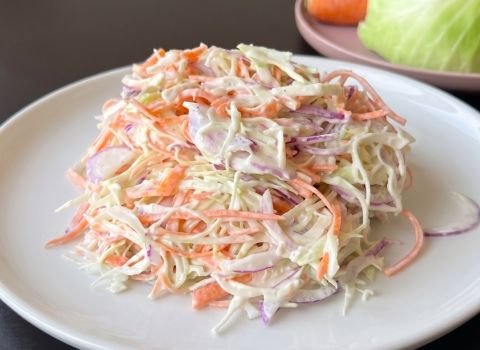
Yes, that is exactly right. Cane’s coleslaw is pale white with tiny orange specks from the carrot. The dressing is creamy white, not yellow or pink.
If your slaw looks too white, you shredded the carrot too fine or used too little carrot. Next time add half a carrot more. If your slaw looks yellow, you used too much mustard or egg in the dressing.
Raising Cane’s Coleslaw Recipe
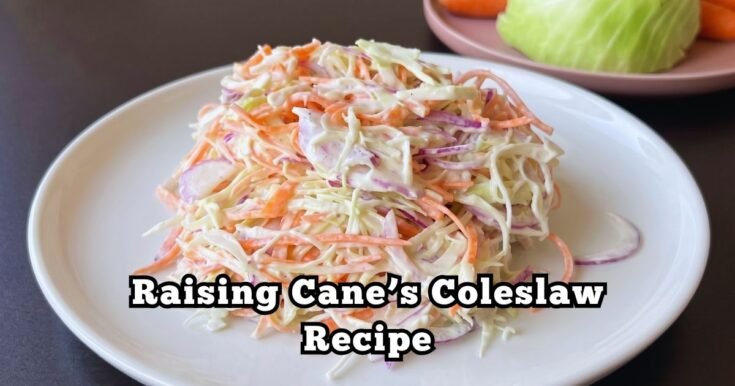
Raising Cane’s coleslaw recipe ready in 55 minutes with creamy, crisp texture and fresh flavor—perfect copycat side dish for any meal.
Ingredients
Vegetables
- 1 medium green cabbage (about 4 cups), finely shredded
- 1 medium carrot (about ½ cup), finely shredded
- 1 medium red onion (about ½ cup), very thinly sliced
Dressing
- 1 ¼ cup mayonnaise
- 3 tablespoons evaporated milk
- 2 tablespoons fresh lemon juice
- 2–3 teaspoons granulated sugar (adjust to taste)
- Salt, to taste
- Black pepper, to taste
Instructions
- Remove any damaged outer leaves from a medium green cabbage and rinse it well. Dry completely. Cut the cabbage in half and remove the core. Slice into wedges and run through a mandoline (or finely slice with a knife) to get thin, even shreds. Place in a large mixing bowl.
- Wash and peel (optional) a medium carrot. Shred it using a grater or mandoline so the pieces match the cabbage in size. Add to the bowl with the cabbage.
- Peel a medium red onion and cut it in half. Place flat-side down and slice it very thinly. Add the slices to the cabbage and carrot mixture.
- In a separate bowl, whisk together 1 ¼ cup mayonnaise, 3 tablespoons evaporated milk, and 2 tablespoons lemon juice until smooth and creamy.
- Add 2–3 teaspoons sugar, a pinch of salt, and a little black pepper. Whisk well and taste. Adjust sweetness or seasoning until balanced.
- Pour the dressing over the vegetables. Gently fold everything together until all the cabbage, carrot, and onion are evenly coated. Don’t stir aggressively to avoid breaking the texture.
- Transfer to a container or bowl and refrigerate for at least 30 minutes. Stir lightly before serving if needed. Serve cold.
Nutrition Information:
Serving Size: (per serving, approx.)Amount Per Serving: Calories: 210Total Fat: 18gSaturated Fat: 3gCholesterol: 10mgSodium: 180mgCarbohydrates: 10gFiber: 2gSugar: 6gProtein: 2g
This Raising Cane’s Coleslaw Recipe helps you get smooth, creamy, crisp results at home.
Try it, adjust the balance to your liking, and share your own version or favorite serving idea with others.